


Chia Seeds
Premium Chia Seeds are a wholesome, nutrient-dense addition to your daily diet — a staple food for the Aztecs and Mayans for over 5,000 years, these tiny seeds are loaded with fibre, protein, omega-3 fatty acids, antioxidants, and essential minerals. Just one ounce of chia seeds (about 2–3 tablespoons) provides approximately 9.8 grams of dietary fibre — and because of their high soluble fibre content, chia seeds can absorb up to 10–12 times their weight in water, turning thick and gel-like.

Rich In Plant-Based Omega-3 (ALA)

Naturally Supports Digestion & Fullness

Supports Healthy Cholesterol

Packed With Antioxidants For Cellular Health
Triphal vs Others
Not All Seeds Are Same
Hand-Selected
No Added Salt, Oil or Preservatives
Clean, Dirt Free Seeds
Fresh Pack Always
Hygienically Packed
Triphal
Others
3 Simple Ways To Enjoy Chia Seeds Daily
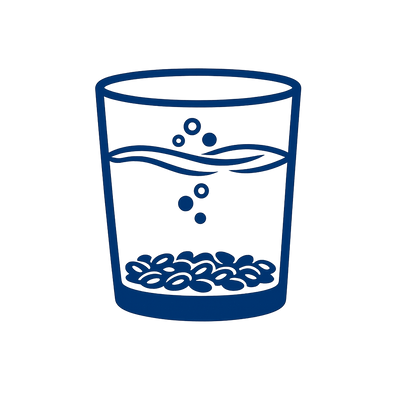
Soak
Soak chia seeds in liquid before eating — do not eat dry chia seeds by themselves, as they quickly swell after absorbing liquid
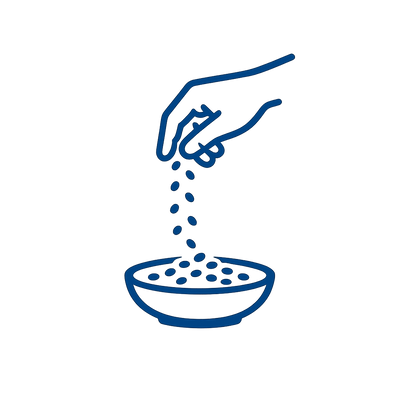
Sprinkle
Add as a topping on oatmeal, cereals, or smoothies for a nutritious boost
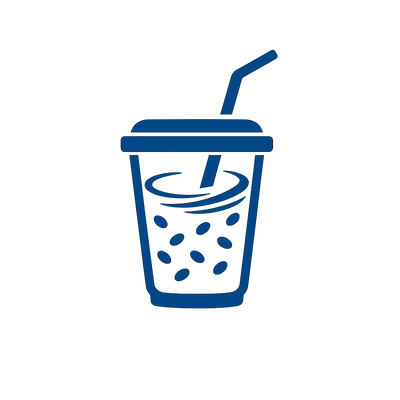
Blend
Mix 3 tbsp of chia seeds with 1 cup of milk, refrigerate overnight, and top with fruits for a ready-made chia pudding
FAQs
Chia seeds are tiny black or white seeds derived from the Salvia hispanica plant, a member of the mint family native to Central America — a staple food for the Aztecs and Mayans for over 5,000 years. They are naturally gluten-free and require no processing — our chia seeds are clean, sorted, and free from additives.
One serving of dried chia seeds is about 2.5 tablespoons. Always soak before consuming and start with a smaller amount if you're new to chia seeds.
Yes — because chia seeds swell when soaked due to their soluble fibre, they promote feelings of fullness, which may help reduce overall calorie intake. A study found that 7g or 14g of chia added to yoghurt as a mid-morning snack reduced hunger and lowered subsequent calorie consumption, and in overweight individuals, regular chia consumption has been linked to reductions in waist circumference.
Yes — the fibre in chia seeds aids healthy digestion by softening the stool and providing bulk, allowing it to pass more quickly through the intestines, which can help alleviate constipation.
It is advised to eat chia seeds that have already been soaked in liquid or served with a moist food, such as oatmeal or yoghurt — do not eat dry chia seeds by themselves. A popular method is to soak 3 tbsp of chia seeds in 1 cup of milk overnight in the refrigerator to make chia pudding.
Both sabja and chia seeds are nutrient-rich superfoods packed with fibre, omega-3 fatty acids, protein, calcium, magnesium, and antioxidants — but they come from different plants and have different Ayurvedic properties. In Ayurvedic tradition, basil (sabja) seeds are considered cooling, while chia seeds are slightly warming.
Choose Chia Seeds if:
- You want to boost omega-3 fatty acids, protein, and calcium intake — chia seeds are nutritionally higher in these.
- You have a Vata constitution or experience constipation/dryness — chia's fibre and omega-3 content can be beneficial.
- You need sustained, slow-releasing energy — popular among athletes for pre- or post-workout meals.
- You're using them in smoothies, puddings, baking, or yoghurt bowls — chia forms a uniform gel that blends seamlessly without crunch.
Choose Sabja Seeds if:
- You want a cooling, hydrating effect — especially during summer or hot weather, as sabja helps regulate body temperature and retain moisture.
- You have a Pitta constitution or are dealing with excess heat, acidity, or inflammation — sabja provides more cooling relief.
- You want more iron — sabja seeds contain more iron than chia, beneficial for women and those with low iron levels.
- You're making traditional drinks like falooda, sabja lemonade, or rose milk — sabja's jelly-like coating with a crunchy core suits these drinks best
