

Natural and Pure
Chirayta Powder
Chirayta Powder is a time-honoured Ayurvedic herb rooted in centuries of traditional healing — known as Kiratatikta in Sanskrit, literally meaning "utterly bitter," and referenced across classical Ayurvedic texts for its role in supporting fever recovery, liver health, and skin wellness. Later compilations like the Bhaishajya Ratnavali explicitly describe Swertia chirayita as a prime bitter tonic (Tikta Rasa) valued for its deep tissue-cleansing qualities. With Laghu (light) and Ruksha (dry) qualities, it is traditionally valued for being light on digestion and supporting sluggish digestive function.

Looking For Liver Support & Detox?
Chirayta is used to support liver health and bile secretion — its hepatoprotective properties traditionally help protect the liver from the effects of toxins and free radicals as part of a daily routine.

Poor Appetite or Sluggish Digestion?
Chirayta's intensely bitter compounds traditionally stimulate appetite and digestive enzyme secretion — a classic Ayurvedic approach to supporting sluggish digestion (Agnimandya).

Recovering From Seasonal Fever?
Local healers in Nepal and Sikkim have long brewed Chirayta into a decoction traditionally used to support recovery during seasonal fevers — earning it the traditional title of "fever plant" in folk practice.

Skin Eruptions or Uneven Tone?
Chirayta traditionally supports quick healing when used externally, and is traditionally valued for supporting clear, healthy-looking skin as part of a blood-purifying routine.
Triphal vs Others
Others sell powder, we sell purity
Pure Whole-Plant Powder — No Fillers
Authentic Swertia chirata
Edible Grade — Safe For Internal Use
Preserved Bitter Xanthones
No Artificial Colours or Preservatives
Triphal
Others
3 Simple Ways To Use Chirayta Powder
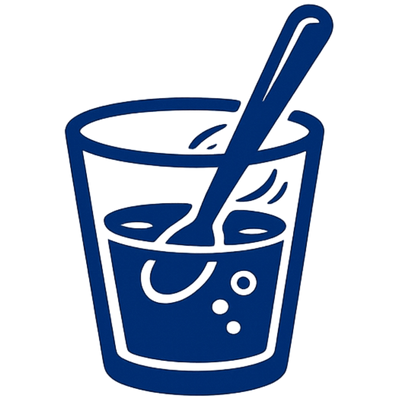
Mix & Drink
Take 1–2g of Chirayta powder with honey, twice daily after food

Decoction
Boil the powder in water until reduced to one-fourth — strain and drink 3–4 teaspoons twice daily

Cold Infusion
Soak Chirayta powder in cold water overnight — traditionally used to address burning sensation and stimulate sluggish digestive fire
FAQs
Chirayta, also known as Kiratatikta, is an annual herb found across India — the whole plant is usually used, with twigs and leaves being especially rich in active constituents. Our powder is made from pure sun-dried whole-plant material — edible grade with no additives or preservatives.
The word Kiratatikta literally means "utterly bitter" — a name that reflects its intensely bitter taste, which Ayurveda considers central to its cleansing and rejuvenating actions
The general dosage is 1–3g of Chirayta powder twice a day, taken with lukewarm water — or as directed by your practitioner. An alternative classical dose is 1–2g twice daily with honey after food. Always start with the smaller amount.
Mix the fine powder with honey and take after food, twice daily. Alternatively, boil the powder in water until reduced to a quarter of its original volume, strain, and take 3–4 teaspoons of this decoction twice daily.
Yes — Chirayta (Kiratatikta) and Bhoo Nimba (Andrographis paniculata/Kalmegh) are traditionally used interchangeably or together due to their similar bitter nature and therapeutic actions. Classical formulations also combine Chirayta with Kutki, Neem, and Giloy for supporting detoxification, skin health, and immune resilience. Triphal's Chirayta Powder can be taken alongside our Giloy or Neem powders for a similar traditional combination at home.
No — they are different plants, though closely related in traditional use. Kalmegh (Andrographis paniculata) belongs to the Acanthaceae family, while Chirayta (Swertia chirata) belongs to the Gentianaceae family. Both are intensely bitter herbs traditionally classified under "Tikta Rasa" in Ayurveda and are valued for similar purposes — supporting liver health, fever recovery, and digestive wellness — which is why Kiratatikta (Chirayta) and Bhoo Nimba (Kalmegh) are traditionally used interchangeably due to their similar bitter nature and therapeutic actions.
The key practical difference: Chirayta is a highly endangered species, making authentic sourcing difficult and expensive, while Kalmegh is widely cultivated, easier to source authentically, and has gained strong modern recognition for its liver-protective and immune-supportive properties. In the Indian market, products labelled "Chirayta" are very often genuine Kalmegh due to this sourcing reality — Triphal's Kalmegh Powder is accurately labelled as Kalmegh (Andrographis paniculata), the "King of Bitters."
